Seeing Yourself in AI: What Sora 2 Reveals About the Future of Creation
9 min read
·
Oct 11, 2025
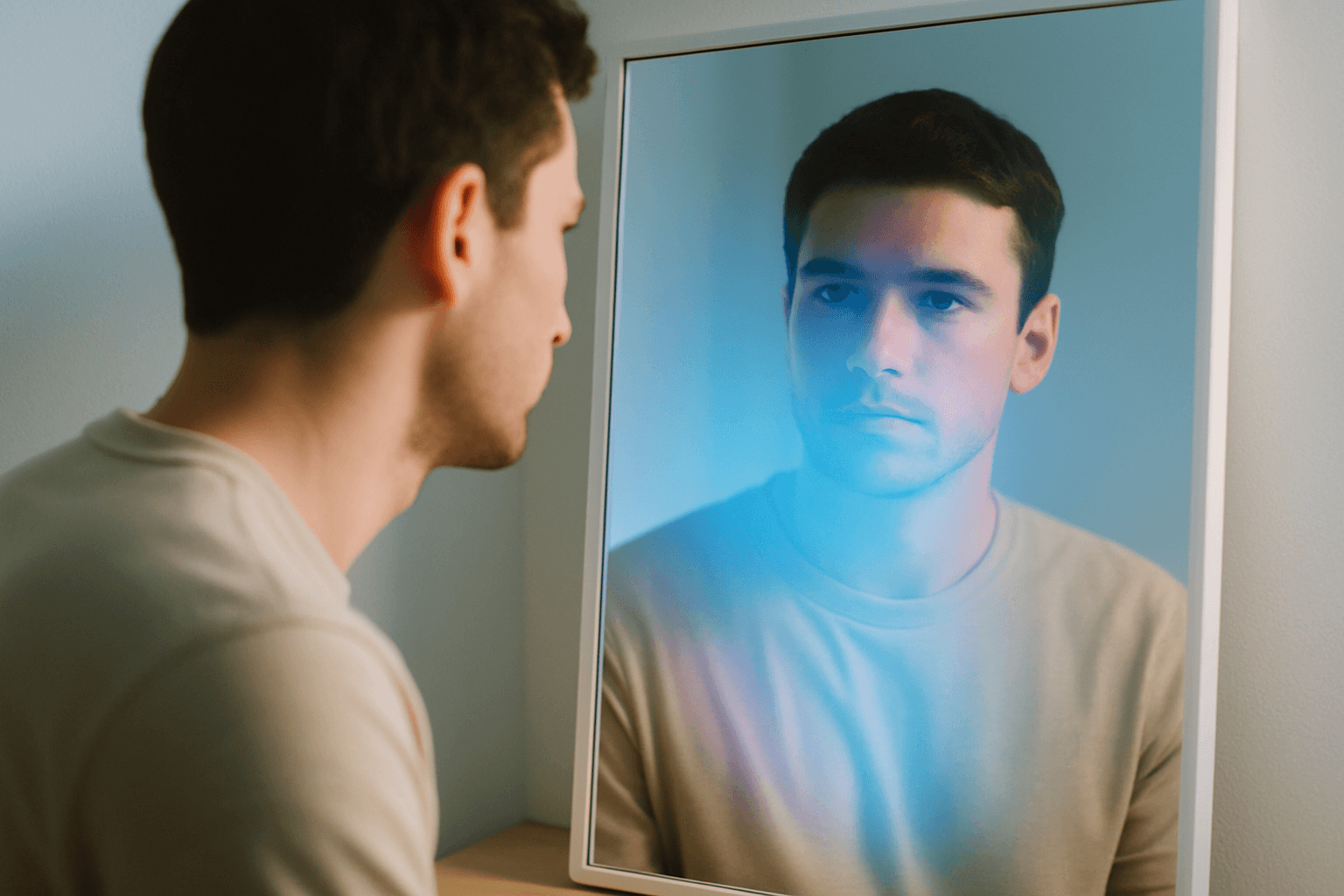
Sora 2’s launch felt different. For many, it was another AI release in a crowded field. For creators, it felt like looking into a mirror for the first time.
This is the first time an AI content tool has shown what happens when personal identity meets generative power. The result feels both inspiring and unsettling.
After more than a decade of creating, this moment lands with mixed feelings. AI is no longer just helping creators. It is beginning to outperform them in reach and resonance — not because it is smarter, but because it is more personal.
Why Sora 2 Feels Different
Most AI tools have focused on speed and output. Sora 2 focuses on identity.
Its onboarding flow sets it apart. Users complete a Face ID scan, just like verifying your identity on a phone. That scan becomes the foundation for the content you generate.
The effect is immediate. You see yourself. The content is not generic. It reflects you.
That simple shift changes everything.
For the first time, AI-generated content can show your face, your style, and your presence without the friction of filming.
The Hidden Barrier in Content Creation
Most people do not create. Of those who do, only a small group appear on camera. The barrier has always been the same — effort and vulnerability.
Video creation is intimidating. It takes equipment, time, and confidence. Sora removes that barrier. It allows people to appear in video content without the process that normally stops them.
That is powerful. It will pull millions of new voices into the creative space who never would have stepped in before.
The Human Reaction
There is something deeply human about seeing yourself reflected back through technology.
At first, it feels strange. You squint. You question. You wonder if what you are seeing is real. Then curiosity takes over. You look closer.
This moment is not about replacing creators. It is about reshaping how people see themselves as creators. For many, Sora will be the first time they feel comfortable sharing their image, ideas, and story.
Why Critics Miss the Point
Some call Sora “AI slop.” That reaction is understandable. It looks unfamiliar and feels uncomfortable. But dismissing it misses the larger point.
Early versions of every major shift look messy. Generative content will refine fast. Quality will rise, and tools will become easier to use.
The same people calling it a fad said the same about GPT wrappers in 2022. Behind the noise and skepticism, new business models were forming. The same will happen here.
Insight
Innovation always looks trivial before it feels inevitable.
The Opportunity Ahead
For creators and businesses, the question is not whether AI-generated content will matter. It already does. The question is how to participate in a way that aligns with your purpose and values.
There are practical next steps:
Use these tools to extend your creative reach, not replace your process.
Experiment with personalization to understand what resonates.
Study where identity and automation intersect in your audience’s experience.
The more you test, the faster you learn where the line between authentic and artificial truly lies.
Getting Started This Week
Sign up for early access to Sora or similar video tools.
Test the Face ID or identity-based onboarding to understand how it shapes results.
Create one short personal or brand video using generative tools.
Compare the response to a traditional piece of content.
Reflect on what felt authentic and what did not.
Closing Thought
Sora 2 shows what happens when AI becomes a mirror. It captures more than data. It captures reflection.
What feels “sloppy” today will soon feel normal. The first reaction is confusion. The second is curiosity.
That is how every major creative shift begins. The mirror does not replace the creator. It shows them what they can become.