How We Landed Netflix and PepsiCo in Under Two Years
9 min read
·
Oct 20, 2025
We went full time less than two years ago. Since then, we’ve worked with Netflix and PepsiCo on one of the largest voice AI experiences built so far.
It wasn’t luck. It wasn’t funding. It was about building.
Where We Started
Back in December 2022, we were experimenting with new AI tools like everyone else. We built a Chrome extension called Casper AI, mostly to learn.
It took off. About 20,000 people started using it. That traction gave us a little credibility and a few early clients.
We realized something important. Building real products that solve real problems creates trust faster than any pitch deck or marketing campaign ever could.
The Shift to Voice
About a year later, we started to feel a shift happening around voice. We wanted to show that we understood how voice AI could work in the real world.
That’s how Yap was born — our first voice app.
It didn’t generate much revenue, but it taught us how to design and build voice products. It also acted as our CAC.
For us, building products brings in customers. A product doesn’t need to generate revenue on its own to be a success.
From Experiment to Opportunity
After Yap launched, inbound requests started coming in from companies that wanted to build voice experiences.
One of our developers, Sean, mentioned that Yap ran on LiveKit, the same infrastructure behind ChatGPT’s advanced voice mode. That got our attention.
We decided to reach out directly. I sent messages to LiveKit’s leadership on LinkedIn that said:
“We build voice agents on your platform. If you ever need help implementing it for other companies, let us know.”
A week later, we were on a call with their team. They said they’d stay in touch.
A month later, we got a message from Chris:
“Hey, we’ve got a large media brand looking to build a voice experience. Want to partner?”
That brand turned out to be Omnicom Media Group and Goodby Silverstein & Partners, the agency behind campaigns for Netflix and PepsiCo.
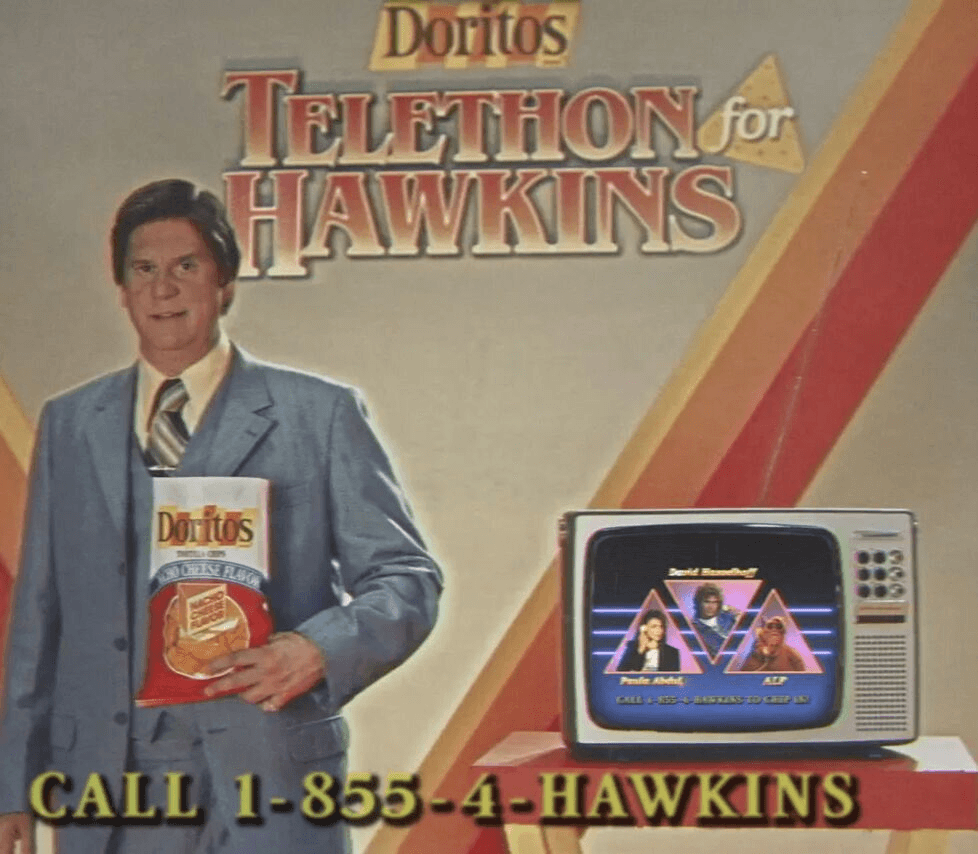
The project? A Stranger Things x Doritos voice activation.
The Build
The weekend before our pitch, we binge-watched Stranger Things. Derek had already been a fan and helped shape a proposal that captured the tone and atmosphere of the show perfectly.
When we found out we won the project, I was at the Kit conference in Boise. It was one of those moments you never forget.
Kelly led the project as PM. Sean led engineering. The launch went smoothly and is still live today.
It has since opened doors to more voice activations and partnerships.
Why It Worked
Most teams have either strong strategy or strong engineering. We built both from day one.
Strategy and product. PMs who can talk to executives and understand what success means.
Design and engineering. Builders who can ship fast and deliver quality.
AI as the bridge. It connects strategy and execution, allowing small teams to move at enterprise scale.
That combination made this project possible.
Insight
The best proof of capability is shipped work. Every build teaches something new and leads to the next opportunity.
What’s Next
We’re continuing to explore how AI, voice, and product design come together. Each project compounds what we’ve learned.
The work gets bigger. The ideas get bolder. But the approach stays the same — build first, learn fast, share the results.
We’re growing quickly but sustainably. Our clients are happy. Our team is happy. And we’re just getting started.
Closing Thought
We started by experimenting with AI. Less than two years later, we’re building large-scale voice AI experiences with global brands.
The path wasn’t linear. It was built one project, one message, and one opportunity at a time.
That’s how growth really happens — you build, learn, and keep going.